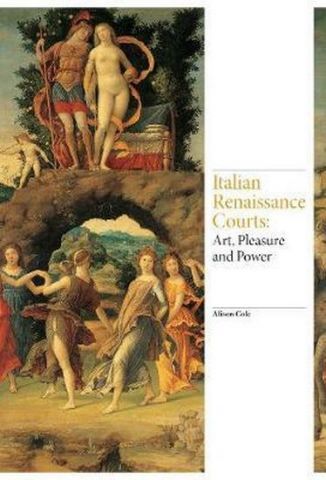
Italian Renaissance Courts
Видавництво: Laurence King
Немає в наявності
Зареєструйтесь або увійдіть, щоб додавати книги до списків
Зареєструйтесь або увійдіть, щоб отримувати сповіщення про наявність
Зареєструйтесь або увійдіть, щоб вести читацький щоденник
Кількість сторінок256
Рік видання2018
In this authoritative study, Alison Cole explores the distinctive uses of art at the five great secular courts of Naples, Urbino, Ferrara, Mantua and Milan. The princes who ruled these city-states, vying with each other and with the great European courts, relied on artistic patronage to promote their legitimacy and authority.
Major artists and architects, from Mantegna and Pisanello to Bramante and Leonardo da Vinci, were commissioned to design, paint and sculpt, but also to oversee the court's building projects and entertainments. Bronze medallions, illuminated manuscripts and rich tapestries, inspired by sources as varied as Roman coins, Byzantine ivories and French chivalric romances, were treasured and traded. Palaces were decorated, extravagant public spectacles were staged and whole cities were redesigned, to bring honour, but also solace and pleasure.
Major artists and architects, from Mantegna and Pisanello to Bramante and Leonardo da Vinci, were commissioned to design, paint and sculpt, but also to oversee the court's building projects and entertainments. Bronze medallions, illuminated manuscripts and rich tapestries, inspired by sources as varied as Roman coins, Byzantine ivories and French chivalric romances, were treasured and traded. Palaces were decorated, extravagant public spectacles were staged and whole cities were redesigned, to bring honour, but also solace and pleasure.













Коментарі
Немає коментарів. Будьте першим, хто залишить коментар!