💕
💕 Надішли валентинку до Дня Святого Валентина!💕 Надішли валентинку!
Створи особливе повідомлення 💌 Доставка 14 лютого💌 14.02
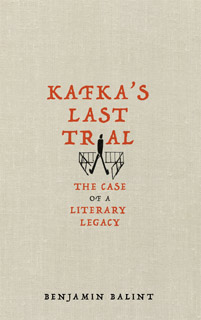
Kafka's Last Trial
Автор: Balint Benjamin
Видавництво: Macmillan
В наявності
Кількість сторінок304
Мова
'Fascinating and forensically scrupulous.' John Banville, Guardian When Franz Kafka died in 1924, his loyal champion Max Brod could not bring himself to fulfil his friend's last instruction: to burn his remaining manuscripts. Instead, Brod devoted the rest of his life to editing, publishing and canonizing Kafka's work. By betraying his friend's last wish, Brod twice rescued his legacy - first from physical destruction, and then from obscurity. But that betrayal was also eventually to lead to an international legal battle: as a writer in German, should Kafka's papers come to rest in Germany, where his three sisters died as victims of the Holocaust? Or, as a Jewish writer, should his work be considered as a cultural inheritance of Israel, a state that did not exist at the time of his death?





Коментарі
Немає коментарів. Будьте першим, хто залишить коментар!