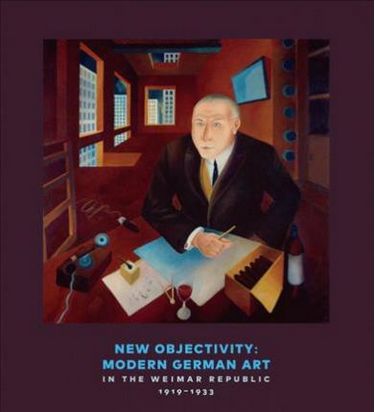
New Objectivity
Видавництво: Prestel Publishing
Немає в наявності
Зареєструйтесь або увійдіть, щоб додавати книги до списків
Зареєструйтесь або увійдіть, щоб отримувати сповіщення про наявність
Зареєструйтесь або увійдіть, щоб вести читацький щоденник
Кількість сторінок360
Рік видання2015
Between the end of World War I and the Nazi assumption of power, Germany's Weimar Republic (1919-1933) functioned as a thriving laboratory of art and culture. As the country experienced unprecedented and often tumultuous social, economic and political upheaval, many artists rejected Expressionism in favour of a new realism to capture this emerging society. Dubbed Neue Sachlichkeit - New Objectivity - its adherents turned a cold eye on the new Germany: its desperate prostitutes and crippled war veterans, its alienated urban landscapes, its decadent underworld where anything was available for a price. Showcasing 150 works by more than 50 artists, this book reflects the full diversity and strategies of this art form. Organised around five thematic sections, it mixes photography, works on paper and painting to bring them into a visual dialogue. Artists such as Otto Dix, George Grosz and Max Beckmann are included alongside figures such as Christian Schad, Alexander Kanoldt, Georg Schrimpf, August Sander, Lotte Jacobi and Aenne Biermann.
Also included are numerous essays that examine the politics of New Objectivity and its legacy, the relation of this new realism to international art movements of the time; the context of gender roles and sexuality; and the influence of new technology and consumer goods. Published in association with the Los Angeles County Museum of Art.
Also included are numerous essays that examine the politics of New Objectivity and its legacy, the relation of this new realism to international art movements of the time; the context of gender roles and sexuality; and the influence of new technology and consumer goods. Published in association with the Los Angeles County Museum of Art.













Коментарі
Немає коментарів. Будьте першим, хто залишить коментар!