
Night And Day & jacob's Room
Немає в наявності
Зареєструйтесь або увійдіть, щоб додавати книги до списків
Зареєструйтесь або увійдіть, щоб отримувати сповіщення про наявність
Зареєструйтесь або увійдіть, щоб вести читацький щоденник
Кількість сторінок576
Рік видання2012
Virginia Woolf's second novel, Night and Day (1919), portrays the gradual changes in a society, the patterns and conventions of which are slowly disintegrating; where the representatives of the younger generation struggle to forge their own way, for '... life has to be faced: to be rejected; then accepted on new terms with the rapture'. Woolf begins to experiment with the novel form while demonstrating her affection for the literature of the past.
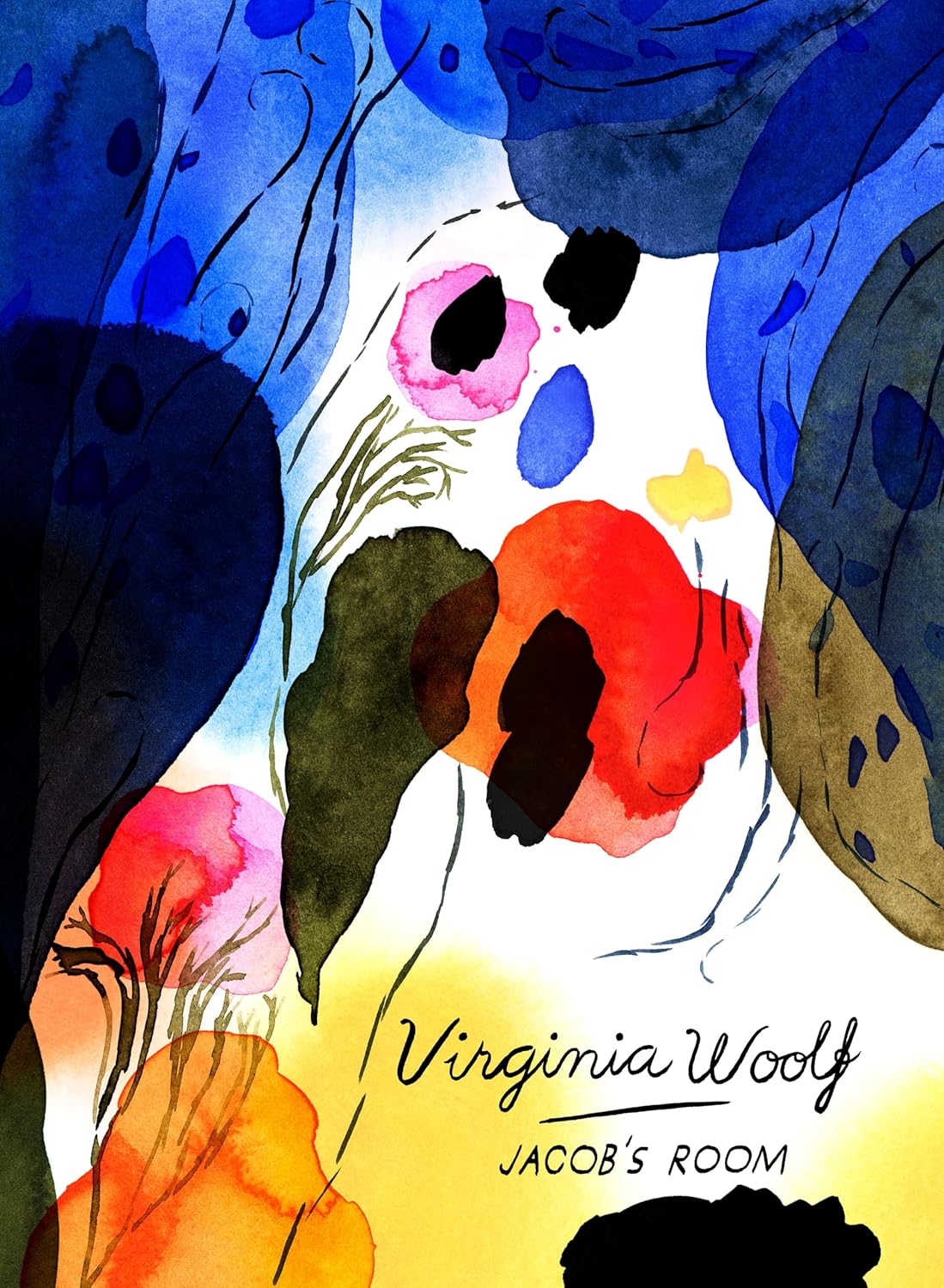
jacob's Room (1922), Woolf's third novel, marks the bold affirmation of her own voice and search for a new form to express view that her 'the human soul ... orientates itself afresh every now & then. It is doing so now. No one can see it whole therefore.' Jacob's life is presented in subtle, delicate and tantalising glimpses, the novel's gaps and silences are as replete with meaning as the wicker armchair creaking in the empty room.
Де можна придбати
Книгарня Є
• Wordsworth Editions
Немає в наявності 169 грн162.24 грн -4% При ввімкненому кешбеку від SenseBank








Коментарі
Немає коментарів. Будьте першим, хто залишить коментар!